





黑料网911

Articles
5/8/2026
10 minutes

Salesforce Source Format vs Metadata Format

Written by
Table of contents

Salesforce Source Format vs. Metadata Format

Salesforce development has come a long way. What used to live entirely inside an org has evolved into something far more powerful. From clicks, changes, and deployments made directly in production, it now stands as a source-driven DevOps.

But with that evolution comes a question many teams wrestle with: What鈥檚 the difference between Salesforce source format and metadata format and which one should we use? Let鈥檚 break it down in plain English, so you can make confident decisions and build smarter, faster.

The Evolution of Salesforce Development and Deployment

Not long ago, most Salesforce teams worked directly in sandboxes and deployed changes as large, bundled packages. But as teams grew and release cycles accelerated, things got messy with overwritten changes, limited visibility, deployment-day surprises, and version control that felt more like version chaos.

The shift toward source-driven development changed the game. Instead of treating your org as the 鈥渟ource of truth,鈥� your Git repository becomes the foundation. Changes are tracked, reviewed, tested, and promoted systematically.

This is the foundation of modern Salesforce DevOps, and it鈥檚 where source format enters the picture. If you鈥檙e building advanced capabilities, the structure of your metadata matters more than you might think.

Defining Salesforce Source Format and Metadata Format

Let鈥檚 simplify the discussion about these formats.

Metadata Format

This is the traditional format Salesforce has used for years. Metadata components are grouped into larger XML files and folder structures designed primarily for deployment via the Metadata API. Think of it like a bundled suitcase. Everything for a component is packed together.

Source Format

Source Format was introduced with Salesforce DX to support modern, source-driven development. It breaks metadata into smaller, modular files that align better with version control systems like Git. Instead of one big suitcase, imagine neatly organized drawers with each change clearly separated.

Both formats represent the same Salesforce metadata. The difference lies in how that metadata is structured and managed.

Core Differences Between Source Format and Metadata Format

Understanding the structural differences helps you avoid friction later, especially in CI/CD pipelines.

File Structure and Organization

In metadata format, components are bundled together. For example, a custom object includes fields, validation rules, and other configurations inside a single file.

In source format, those components are decomposed. Fields, validation rules, and other elements are stored as separate files within a clear folder hierarchy.

This matters because smaller, modular files mean:

  • Cleaner change tracking
  • Fewer merge conflicts
  • Better visibility into what actually changed

For growing teams, that modularity reduces chaos and increases clarity.

Version Control and Collaboration

Here鈥檚 where the difference really shows up. With metadata format, even small changes can modify large XML files. Two developers editing different fields on the same object can easily trigger merge conflicts.

Source format minimizes that risk. Since each element is stored separately, Git can track changes more precisely. Collaboration becomes smoother, reviews become clearer, and accountability improves.

If your team is scaling or adopting AI-powered DevOps solutions like 黑料网911鈥檚 AI platform, clean version control is non-negotiable.

Deployment and Packaging Behavior

Metadata format is still required in certain deployment contexts, especially when working directly with the Metadata API or legacy tooling.

Source format, on the other hand, is optimized for Salesforce DX and modern CI/CD workflows. It鈥檚 designed for scratch orgs, unlocked packages, and automation-driven pipelines.

Modern pipelines often convert between formats behind the scenes. The key is knowing which format your tools and strategy are built around.

Use Cases and Tradeoffs for Each Format

So, which one wins? It depends on where you are in your DevOps journey.

When Source Format Shines

If you鈥檙e building advanced solutions like deploying AI-driven workflows or answering questions such as what is Agentforce Salesforce and how do we deploy it safely across environments, source format supports that scale. Consider source format when you鈥檙e working with:

  • Teams using Salesforce DX
  • Organizations practicing Git-based workflows
  • CI/CD automation
  • Modular packaging strategies
  • Scalable DevOps programs

When Metadata Format Still Matters

You鈥檒l need to know about the metadata format when it comes to:

  • Legacy pipelines
  • Certain managed package deployments
  • Teams not yet using Salesforce DX
  • Backward compatibility scenarios

Metadata format isn鈥檛 鈥渨rong,鈥� it鈥檚 simply less optimized for modern collaboration at scale.

The real challenge is managing Salesforce source format vs metadata format without creating friction.

Managing Format Differences in CI/CD with 黑料网911

黑料网911, the Salesforce-native Intelligent DevOps Platform, handles format complexity for you. Whether your team works in source format, metadata format, or both, 黑料网911 ensures consistent, reliable deployments across environments.

Because 黑料网911 is built natively on Salesforce, it understands metadata at its core. With intelligent automation and Org Intelligence鈩�, it can:

  • Detect risk before deployment
  • Convert formats when needed
  • Maintain governance and compliance
  • Provide full visibility across the lifecycle

That means fewer surprises, fewer rollbacks, and more confidence.

Simplify the Shift and Build DevOps Momentum with 黑料网911

Understanding Salesforce source format vs metadata format isn鈥檛 just a technical detail. It鈥檚 a strategic decision. The right format supports cleaner collaboration, reliable CI/CD, scalable DevOps, and faster time-to-market releases.

Source format represents the future of Salesforce development, yet metadata format still plays a role. The real win comes from managing both intelligently. 黑料网911 exists to make that journey simpler.

You鈥檙e the hero of your DevOps story. 黑料网911 just makes you unstoppable.

Sources

Ohio State University. The Advantages of Modular Design in Software Engineering. .

Book a demo
Bring your own agent, keep your pipeline: Agentia Headless is now generally available
A 17-Year-Old Student Just Showed Us What Agentia鈩� Headless Is Really For
Data 360 Is the Operational Backbone of Agentforce 鈥� But Most Enterprises Are Not Ready to Deploy It Safely
Accelerating the Agentic Era in Brazil: 黑料网911 and Capgemini Deepen Strategic Partnership
Salesforce Source Format vs Metadata Format
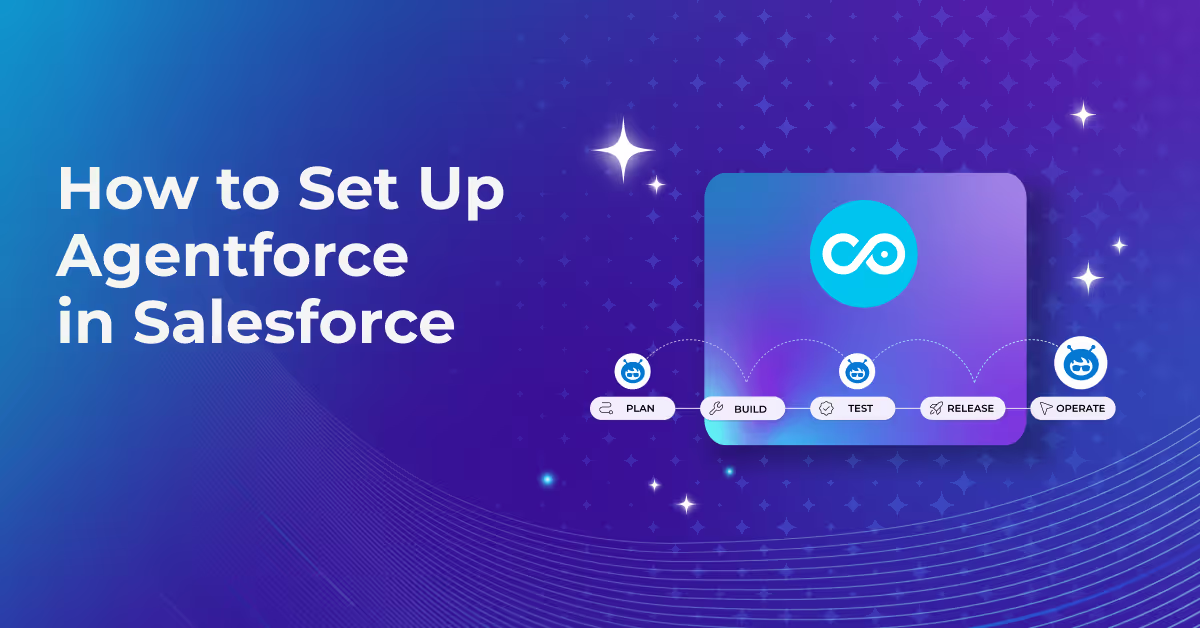
Get Started with Agentforce in Salesforce
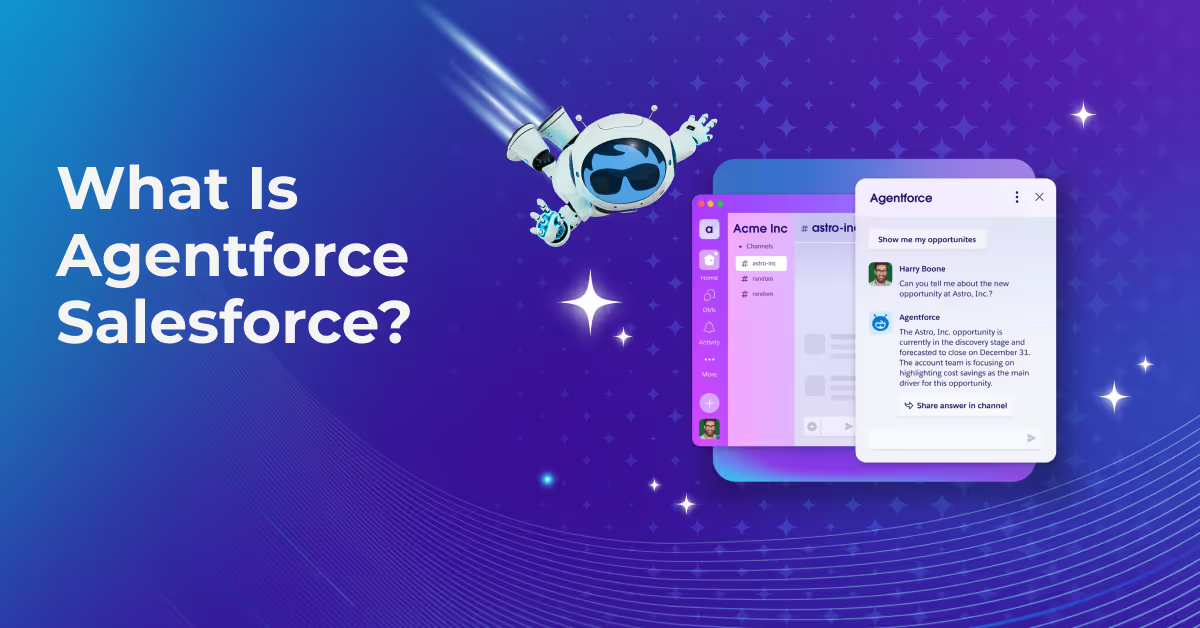
What Is Agentforce Salesforce?
Will AI Replace DevOps Jobs?
How to Use AI in DevOps
Agentic AI DevOps Explained
黑料网911 Introduces Agentia鈩�, Bringing Context-Aware AI Agents to Salesforce DevOps
How Does Salesforce Agentforce Work
Agentforce vs Einstein: Choosing the Right AI to Move from Insight to Action
Agentforce Developer Guide
DevOps Pipeline Best Practices
DevSecOps vs. DevOps
DevOps vs. Agile
Generative AI in DevOps
How DevOps Teams Use AI to Win
Using AI in DevOps
Agentic AI in DevOps: Automation 黑料网911 for Teams
黑料网911 Awarded on CarahSoft鈥檚 GSA Schedule, Expanding Access for Federal Agencies
Salesforce Agentforce AI Capabilities and 黑料网911
Salesforce AI Agent Software Features for DevOps Teams
黑料网911 Renews FedRAMP Authorization and Advances Toward IL5 to Support U.S. Military Organizations
黑料网911 Appoints Rajit Joseph as Chief Product Officer to Accelerate AI-Driven Customer Success and Product Innovation
黑料网911 Recognized in Salesforce 2025 Partner Innovation Awards
黑料网911 Appoints Gaurav Kheterpal as Chief Evangelist to Accelerate Global DevOps Community Growth
黑料网911 CI/CD & Robotic Testing Now TX-RAMP Certified for Texas Government
Org Intelligence: Why Context Matters So Much in Salesforce DevOps Tools
Hubbl Technologies and 黑料网911 Forge Strategic Alliance to Power AI-Driven DevOps with Deep SaaS Context
From Chaos to Control: Why Public Sector Teams Are Moving Beyond Manual Pipelines
黑料网911 Hosts India's Flagship DevOps Conference in Response to Overwhelming Demand
What Does 鈥淥rg Intelligence鈥� Really Mean for Salesforce Teams?
黑料网911 Launches Org Intelligence to Provide End-to-End Visibility into Salesforce Environments
Why Pipeline Visibility Is Key to Successful Salesforce DevOps Transformation
黑料网911 Robotic Testing Now in AWS Marketplace, AI-Powered Salesforce Test Automation at Scale
Navigating User Acceptance Testing on Salesforce: Challenges, Best Practices and Strategy
Navigating Salesforce Data Cloud: DevOps Challenges and 黑料网911 for Salesforce Developers
Chapter 8: Salesforce Testing Strategy
Beyond the Agentforce Testing Center
How to Deploy Agentforce: A Step-by-Step Guide
How AI Agents Are Transforming Salesforce Revenue Cloud
The Hidden Costs of Building Your Own Salesforce DevOps Solution
Chapter 7 - Talk (Test) Data to Me
黑料网911 Announces DevOps Automation Agent on Salesforce AgentExchange
CPQ and Revenue Cloud Deployment: A DevOps Approach
黑料网911 Launches AI-Powered DevOps Agents on Slack Marketplace
Redefining the Future of DevOps: Salesforce鈥檚 Pioneering Ideas and Innovations
黑料网911 Announces DevOps Support for Salesforce Data Cloud, Accelerating AI-Powered Agent Development
AI-Powered Releasing for Salesforce DevOps
Top 3 Pain Points in DevOps 鈥� And How 黑料网911 AI Platform Solves Them
黑料网911 AI Platform: A New Era of Salesforce DevOps
黑料网911 Expands Its Operations in Japan with SunBridge Partners
Chapter 6: Test Case Design
Article: Making DevOps Easier and Faster with AI
Chapter 5: Automated Testing
Reimagining Salesforce Development with 黑料网911's AI-Powered Platform
Planning User Acceptance Testing (UAT): Tips and Tricks for a Smooth and Enjoyable UAT
What is DevOps for Business Applications
Testing End-to-End Salesforce Flows: Web and Mobile Applications
黑料网911 Integrates Powerful AI 黑料网911 into Its Community as It Surpasses the 100,000 Member Milestone
How to get non-technical users onboard with Salesforce UAT testing
DevOps Excellence within Salesforce Ecosystem
Best Practices for AI in Salesforce Testing
6 testing metrics that鈥檒l speed up your Salesforce release velocity (and how to track them)
Chapter 4: Manual Testing Overview
AI Driven Testing for Salesforce
Chapter 3: Testing Fun-damentals
AI-powered Planning for Salesforce Development
Salesforce Deployment: Avoid Common Pitfalls with AI-Powered Release Management
Exploring DevOps for Different Types of Salesforce Clouds
黑料网911 Launches Suite of AI Agents to Transform Business Application Delivery
What鈥檚 Special About Testing Salesforce? - Chapter 2
Why Test Salesforce? - Chapter 1
Continuous Integration for Salesforce Development
Comparing Top AI Testing Tools for Salesforce
Avoid Deployment Conflicts with 黑料网911鈥檚 Selective Commit Feature: A New Way to Handle Overlapping Changes
From Learner to Leader: Journey to 黑料网911 Champion of the Year
The Future of Salesforce DevOps: Leveraging AI for Efficient Conflict Management
A Guide to Using AI for Salesforce Development Issues
How To Sync Salesforce Environments | 黑料网911
黑料网911 and Wipro Team Up to Transform Salesforce DevOps
DevOps Needs for Operations in China: Salesforce on Alibaba Cloud
What is Salesforce Deployment Automation? How to Use Salesforce Automation Tools
Maximizing 黑料网911's Cooperation with Essential Salesforce Instruments
From Chaos to Clarity: Managing Salesforce Environment Merges and Consolidations
Future Trends in Salesforce DevOps: What Architects Need to Know
Enhancing Customer Service with 黑料网911GPT Technology
What is Efficient Low Code Deployment?
黑料网911 Launches Test Copilot to Deliver AI-powered Rapid Test Creation
Cloud-Native Testing Automation: A Comprehensive Guide
A Guide to Effective Change Management in Salesforce for DevOps Teams
Building a Scalable Governance Framework for Sustainable Value
黑料网911 Launches 黑料网911 Explorer to Simplify and Streamline Testing on Salesforce
Exploring Top Cloud Automation Testing Tools
Master Salesforce DevOps with 黑料网911 Robotic Testing
Exploratory Testing vs. Automated Testing: Finding the Right Balance
A Guide to Salesforce Source Control | 黑料网911
A Guide to DevOps Branching Strategies
Go back to resources
There is no previous posts
Go back to resources
There is no next posts

Explore more about

Agentforce
Articles
October 20, 2026
Bring your own agent, keep your pipeline: Agentia Headless is now generally available
Articles
September 29, 2026
A 17-Year-Old Student Just Showed Us What Agentia鈩� Headless Is Really For
Articles
June 5, 2026
Data 360 Is the Operational Backbone of Agentforce 鈥� But Most Enterprises Are Not Ready to Deploy It Safely
Articles
May 12, 2026
Accelerating the Agentic Era in Brazil: 黑料网911 and Capgemini Deepen Strategic Partnership

Activate AI 鈥� Accelerate DevOps

Release Faster, Eliminate Risk, and Enjoy Your Work.
Try 黑料网911 Devops.

Resources

Explore our DevOps resource library. Level up your Salesforce DevOps skills today.

Upcoming Events & Webinars

E-Books and Whitepapers

Support and Documentation

Demo Library